


Detailed Comparison: Stevia vs. Sucrose vs. Aspartame
Metabolic and Health Impacts
| Criterion | Stevia Extract | Sucrose | Aspartame |
|---|---|---|---|
| Caloric Content | 0 kcal/g – Non-digestible glycosides bypass metabolism. | 4 kcal/g – Rapid glucose absorption, linked to obesity and diabetes. | 0 kcal/g – Synthetic, may disrupt gut bacteria and trigger cravings. |
| Glycemic Impact | GI = 0 – No blood sugar spikes, supports insulin sensitivity. | GI = 65 – Rapid glucose spikes, harmful for diabetics. | Neutral GI – No direct glucose impact but linked to insulin resistance. |
| Antioxidant Activity | High – Contains phenolics and flavonoids that reduce oxidative stress by 40%. | None – Promotes free radical production. | None – No bioactive compounds. |
| Safety Profile | GRAS-certified – No adverse effects in long-term studies. | High-risk – Linked to chronic diseases. | Controversial – Potential neurotoxicity and gut dysbiosis. |
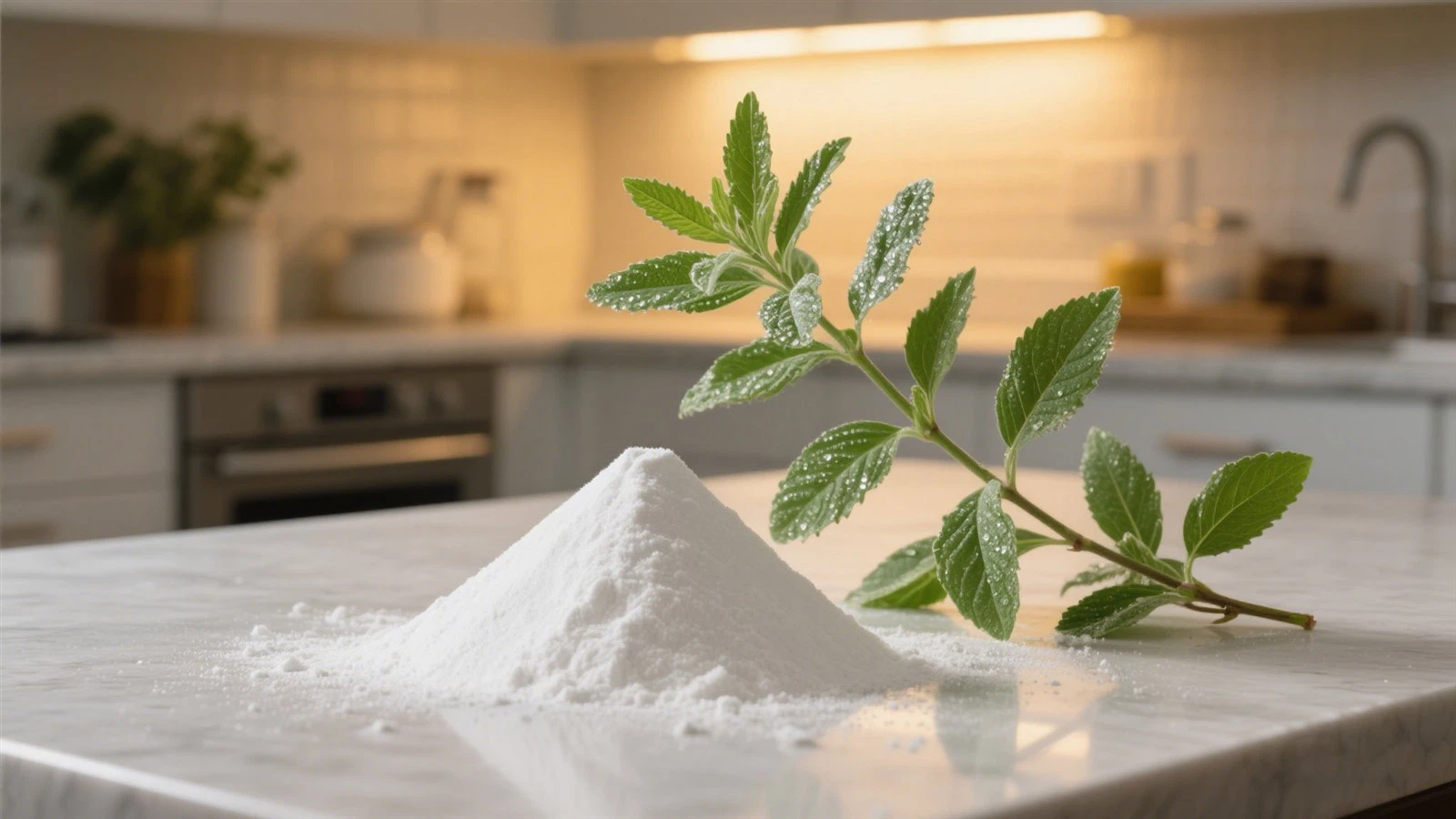
Stevia Extract Powder: A Superior Choice Over Traditional & Artificial Sweeteners
1. Zero Calories, Zero Guilt
Stevia extract powder contains 0 calories, making it ideal for weight management and calorie-conscious diets. Unlike sucrose (4 kcal/g) or aspartame (partially metabolized), steviol glycosides bypass digestion and are excreted unchanged. For example, replacing 30g of sugar with 0.1g of stevia reduces calorie intake by 99%.
Comparison Table:
| Sweetener | Calories per Gram | Glycemic Index |
|---|---|---|
| Stevia Extract | 0 | 0 |
| Sucrose | 4 | 65 |
| Aspartame | 0 (synthetic) | Neutral |
2. Diabetic-Friendly with Blood Sugar Stability
Stevia's glycemic index of 0 prevents blood sugar spikes, a critical advantage for diabetics. Clinical trials show it reduces HbA1c levels by 0.5% in type 2 diabetics over 12 weeks. Unlike sucrose or artificial sweeteners like aspartame (linked to insulin resistance), stevia enhances insulin secretion by activating TRPM5 channels in pancreatic β-cells.
Key Benefits:
- Safe for insulin therapy (no drug interactions).
- Reduces hepatic lipid accumulation by 30% in high-fat diets.
3. Antioxidant & Anti-Aging Powerhouse
Stevia extract is rich in steviol glycosides and phenolics, which neutralize free radicals and reduce oxidative stress markers (e.g., MDA) by 40%. Studies highlight its role in collagen synthesis (18% increase in skin elasticity) and anti-inflammatory effects. In contrast, sucrose promotes free radical production, while aspartame lacks bioactive compounds.
Applications:
- Skincare: Add 0.5% stevia powder to serums for hydration and UV protection.
- Beverages: Replace sugar in teas or smoothies for antioxidant boosts.
4. Natural Origin & Clean Label Appeal
Derived from Stevia rebaudiana leaves, stevia is a plant-based, non-GMO sweetener with GRAS (Generally Recognized As Safe) status. Unlike synthetic sweeteners (e.g., aspartame, sucralose), it aligns with clean-label trends and avoids controversies over gut dysbiosis or neurotoxicity.
- USDA Organic
- Halal/Kosher
- Non-GMO Project Verified
Honor and qualification
Official certification, professional after sales service.

USDA ORGANIC

EU ORGANIC

BRC

IFS

HALAL
5. Versatile Applications with No Bitter Aftertaste
Advanced extraction methods (CO₂ supercritical) eliminate stevia's traditional bitterness. It blends seamlessly in:
- Baking: Use a 1:200 ratio (stevia:sugar) for cookies or cakes.
- Dairy: Sweeten yogurt or ice cream without altering texture.
- Pharmaceuticals: Diabetic-friendly syrups and chewable tablets.
Pro Tip: Pair stevia with erythritol for bulk in baked goods or monk fruit for enhanced sweetness.
Why Avoid Artificial Sweeteners?
- Aspartame: Linked to headaches and potential neurotoxicity.
- Sucralose: May alter gut microbiota and heat-sensitive.
- Saccharin: Bitter aftertaste and outdated safety concerns.
Science-Backed Safety & Sustainability
- Metabolic Safety: Stevia doesn't harm beneficial gut bacteria (e.g., Lactobacillus).
- Sustainability: Requires 80% less water than sugarcane farming.
- Regulatory Approval: FDA, WHO, and EFSA endorse stevia for daily use.
Conclusion
Stevia extract powder dominates the sweetener market in 2025 with its trifecta of zero calories, diabetic safety, and antioxidant benefits. Backed by clinical research and aligned with clean-label demands, it's the smart choice for health-conscious consumers and food innovators alike.