


As a leading manufacturer and supplier of sodium copper chlorophyllin, we understand the growing demand for natural, safe, and sustainable ingredients in the food, cosmetic, and pharmaceutical industries. In recent years, the shift from synthetic dyes to natural alternatives like sodium copper chlorophyllin has accelerated-driven by consumer concerns over health risks, regulatory restrictions, and a global push for "clean label" products. This article compares sodium copper chlorophyllin (a natural colorant) with synthetic dyes across critical dimensions, explaining why making the switch is no longer an option but a necessity for forward-thinking brands.
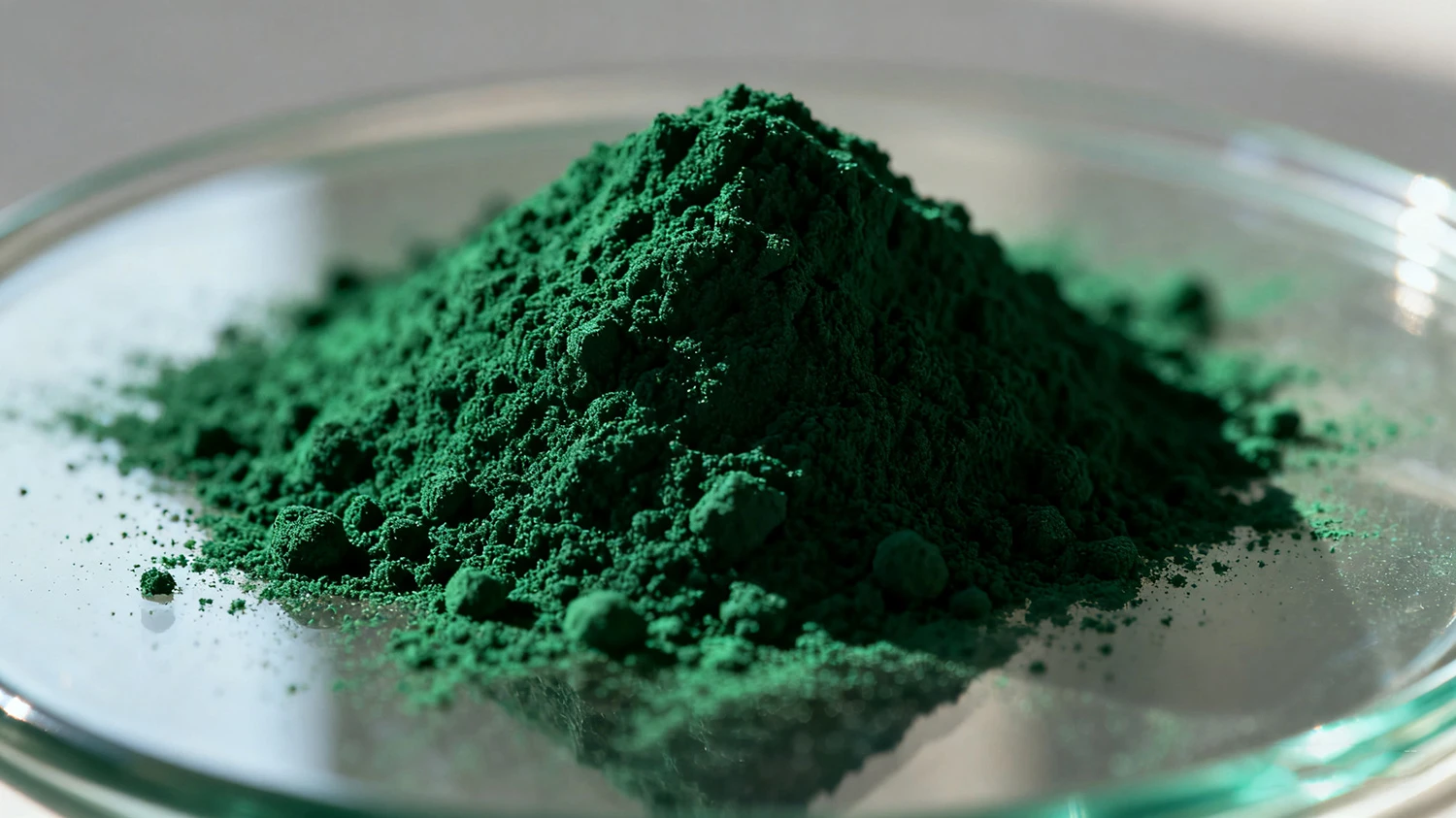
1. Source & Production: Natural Extraction vs. Chemical Synthesis
The fundamental difference between sodium copper chlorophyllin and synthetic dyes lies in their origins and manufacturing processes-directly impacting purity, safety, and environmental footprint.
Sodium Copper Chlorophyllin (Natural)
Derived entirely from plant-based raw materials, sodium copper chlorophyllin is produced through a gentle, eco-friendly process:
- Raw Materials: Sourced from renewable plants like silkworm excrement (silkworm droppings), spinach, and bamboo leaves-all of which are rich in natural chlorophyll and free from toxic pesticides (our supply chain includes organic-certified plant bases).
- Production Process: The extraction involves solvent-based isolation of chlorophyll, followed by saponification (to enhance stability) and copper substitution (to form the sodium copper chlorophyllin complex). This process retains the natural porphyrin structure of chlorophyll-ensuring compatibility with biological systems-and requires no toxic raw materials (such as aniline, a common carcinogen in synthetic dye production).
- Purity Guarantee: Every batch undergoes HPLC testing to confirm a minimum purity of 95%, with zero residual solvents or heavy metals.
Synthetic Dyes (Artificial)
Synthetic colorants are manufactured using petrochemical-derived ingredients, with processes that pose significant health and environmental risks:
- Raw Materials: Produced from coal tar or benzene-based compounds-non-renewable resources linked to air and water pollution during extraction.
- Production Process: Chemical synthesis involves reactions that generate harmful byproducts, including heavy metals (lead, arsenic) and aromatic amine intermediates. Even after purification, trace residues of these toxins often remain in the final product.
- Example: Dyes like Brilliant Blue FCF (E133) and Tartrazine (E102) are synthesized using benzene derivatives, which the International Agency for Research on Cancer (IARC) classifies as possible human carcinogens.
2. Safety & Health Impact: Non-Toxic vs. Potential Hazards
When it comes to ingredient safety-especially for products ingested (food) or applied to skin (cosmetics)-sodium copper chlorophyllin outperforms synthetic dyes by every measurable standard.
| Metric | Sodium Copper Chlorophyllin (Natural) | Synthetic Dyes (Artificial) |
|---|---|---|
| Toxicity Assessment | Non-toxic: LD₅₀ > 5,000 mg/kg (rat oral test)-safe even at high doses. | Some varieties (e.g., azo dyes) are teratogenic or carcinogenic; linked to long-term organ damage. |
| Metabolic Mechanism | Easily absorbed by the human body, participates in cellular metabolism, and is excreted without accumulation. | Difficult to degrade; accumulates in the liver and kidneys, increasing the risk of chronic organ disease. |
| Allergic Reactions | Extremely rare-no reported cases of contact dermatitis or systemic allergies in clinical studies. | Common triggers for allergies: Tartrazine (E102) causes hives; Carmine (E120) induces rhinitis and asthma. |
| Children's Health | Safe for pediatric consumption; no association with attention deficit hyperactivity disorder (ADHD). | Proven to exacerbate ADHD symptoms and behavioral abnormalities in children (EU regulatory warnings). |
Data Source: Toxicological Research (2022) & Clinical Reports from FDA and EFSA
3. Functional Value: Nutritious vs. Cosmetic-Only
Unlike synthetic dyes-whose sole purpose is to add color-sodium copper chlorophyllin delivers multiple health and functional benefits, making it a "value-added" ingredient for brands.
Sodium Copper Chlorophyllin: More Than Just Color
- Antioxidant & Anti-Inflammatory Effects: Scavenges free radicals to protect cells from oxidative damage; used in wound-healing ointments to reduce inflammation and speed up tissue repair.
- Detoxification Properties: Its porphyrin structure binds to heavy metals (lead, mercury) and environmental toxins, facilitating their excretion from the body-ideal for functional foods and detox supplements.
- Hematopoietic Support: Similar in molecular structure to hemoglobin, it aids in red blood cell production and is often added to iron-fortified foods for anemia prevention.
Synthetic Dyes: No Nutritional Benefit
Synthetic colorants provide only visual appeal with no nutritional or functional value. Long-term intake can disrupt metabolic processes:
- Interferes with the absorption of essential minerals (e.g., iron, zinc) in the gut.
- May disrupt gut microbiota balance, leading to digestive issues in sensitive populations.
4. Stability & Applicability: Versatile vs. Restrictive
For manufacturers, ingredient stability and compatibility with different formulations are critical. sodium copper chlorophyllin offers superior versatility compared to synthetic dyes.
Sodium Copper Chlorophyllin: Stable Across Scenarios
- Heat Resistance: Maintains color stability at temperatures up to 110°C-suitable for baked goods, beverages, and processed foods that require high-temperature processing.
- pH Adaptability: Modern manufacturing techniques allow customization of acid-resistant formulations (stable at pH ≥ 3.0, no precipitation)-ideal for acidic products like fruit juices, yogurt, and anti-acne cosmetics.
- Regulatory Compliance: Approved for use in food (China GB2760, FDA GRAS), cosmetics (EU CosIng), pharmaceuticals, and textiles-no application restrictions across industries.
Synthetic Dyes: Limited Stability & Risks
While synthetic dyes are often praised for bright colors, they face significant limitations:
- Environmental Sensitivity: Break down in acidic or alkaline environments-e.g., Brilliant Blue FCF decomposes in acidic conditions (pH < 4.0) to release toxic byproducts.
- Application Restrictions: Banned in high-temperature products (e.g., baby formula) due to thermal instability; restricted in cosmetics for sensitive skin (e.g., eye creams) due to allergy risks.
5. Regulations & Market Trends: Globally Approved vs. Strictly Restricted
Regulatory bodies worldwide are tightening controls on synthetic dyes, while sodium copper chlorophyllin enjoys universal acceptance-aligning with consumer demand for clean, transparent ingredients.
Sodium Copper Chlorophyllin: Globally Recognized Safety
- International Approvals: Listed as a safe ingredient by the U.S. FDA (GRAS status), European Food Safety Authority (EFSA), Joint FAO/WHO Expert Committee on Food Additives (JECFA), and China's National Health Commission (GB2760).
- Clean Label Growth: According to Mintel data, the application rate of sodium copper chlorophyllin in new food and cosmetic products globally increased by 70% between 2019 and 2023-driven by consumer preference for "natural," "plant-based," and "no artificial additives" claims.
Synthetic Dyes: Bans & Warnings
- Regional Bans: Norway has banned all synthetic food dyes; the EU restricts the use of 10+ dyes (e.g., Red 2G, Green S); the U.S. only permits 7 synthetic dyes (down from 30+ in the 1970s).
- Mandatory Warnings: The EU requires products containing synthetic dyes (e.g., Tartrazine, Sunset Yellow) to carry a label warning: "May have an adverse effect on activity and attention in children."
6. Industry Case Studies: Successful Natural Replacements
Real-world examples demonstrate how switching to sodium copper chlorophyllin improves product safety, consumer trust, and business performance.
Food Industry: European Candy Brand
A leading European confectionery brand replaced a synthetic dye blend (Brilliant Blue FCF + Tartrazine) with sodium copper chlorophyllin in its gummy bear line:
- Outcome: Earned "Clean Label" certification from the European Clean Label Project; sales increased by 45% within 6 months (driven by parent and health-conscious consumer demand).
Cosmetic Industry: Anti-Acne Mask Brand
A Korean skincare brand added sodium copper chlorophyllin to its anti-acne mask (leveraging its anti-inflammatory properties) to replace synthetic Red 33:
- Outcome: User allergy complaints dropped by 90%; the product ranked #1 in "natural anti-acne masks" on Korean e-commerce platforms.
Textile Industry: Infant Clothing Manufacturer
A European infant clothing brand switched from azo synthetic dyes to sodium copper chlorophyllin for its organic cotton line:
- Outcome: Achieved OEKO-TEX® Standard 100 certification (no harmful substances); market share in the "eco-friendly infantwear" segment grew by 30%.
7. Why Choose Our Sodium Copper Chlorophyllin?
As a trusted sodium copper chlorophyllin manufacturer and supplier, we offer three core advantages to support your business:
- Compliance Assurance: Every batch comes with SGS-certified test reports, covering heavy metal (lead, arsenic, mercury) detection, microbial analysis, and HPLC purity verification-ensuring compliance with global regulations.
- Customized Solutions: We provide tailor-made formulations, including acid-resistant grades (stable at pH 2.5–10.0), high-solubility powders (≥98% solubility in water), and liquid concentrates-perfect for food, cosmetics, and pharmaceuticals.
- Sustainable Sourcing: Our plant raw materials are sourced from organic farms (e.g., silkworm excrement from pesticide-free mulberry fields), with a carbon footprint reduced by 30% compared to traditional extraction processes-aligning with your sustainability goals.
Make the Switch to Natural Today
For food, cosmetic, and textile brands, sodium copper chlorophyllin is more than an alternative to synthetic dyes-it's a strategic investment in safety, consumer trust, and long-term growth. With global regulatory support, proven health benefits, and versatile applications, it's the natural choice for brands looking to thrive in the clean label era.